According to a report by Ross Ballot on ATV.com, Polaris has officially rolled out a comprehensive update to its Ride Command ecosystem. The manufacturer spent the last 18 months rebuilding the platform from the ground up, aiming to address the evolving needs of off-road enthusiasts who rely on digital navigation and connectivity in the backcountry.
For many riders, the integration of smartphone applications with off-road hardware was once viewed with skepticism. However, as Polaris continues to iterate on its technology, these tools have become standard for trail planning, route recording, and vehicle-to-vehicle communication. This latest update represents a significant push to ensure the platform remains a leader in the powersports digital space.
Key Improvements to Ride Command
The primary focus of this update is reliability. Polaris claims that the reworked architecture is significantly faster and more stable than previous iterations. By addressing the core functionality, the brand hopes to eliminate the frustration of app failure during critical moments on the trail.
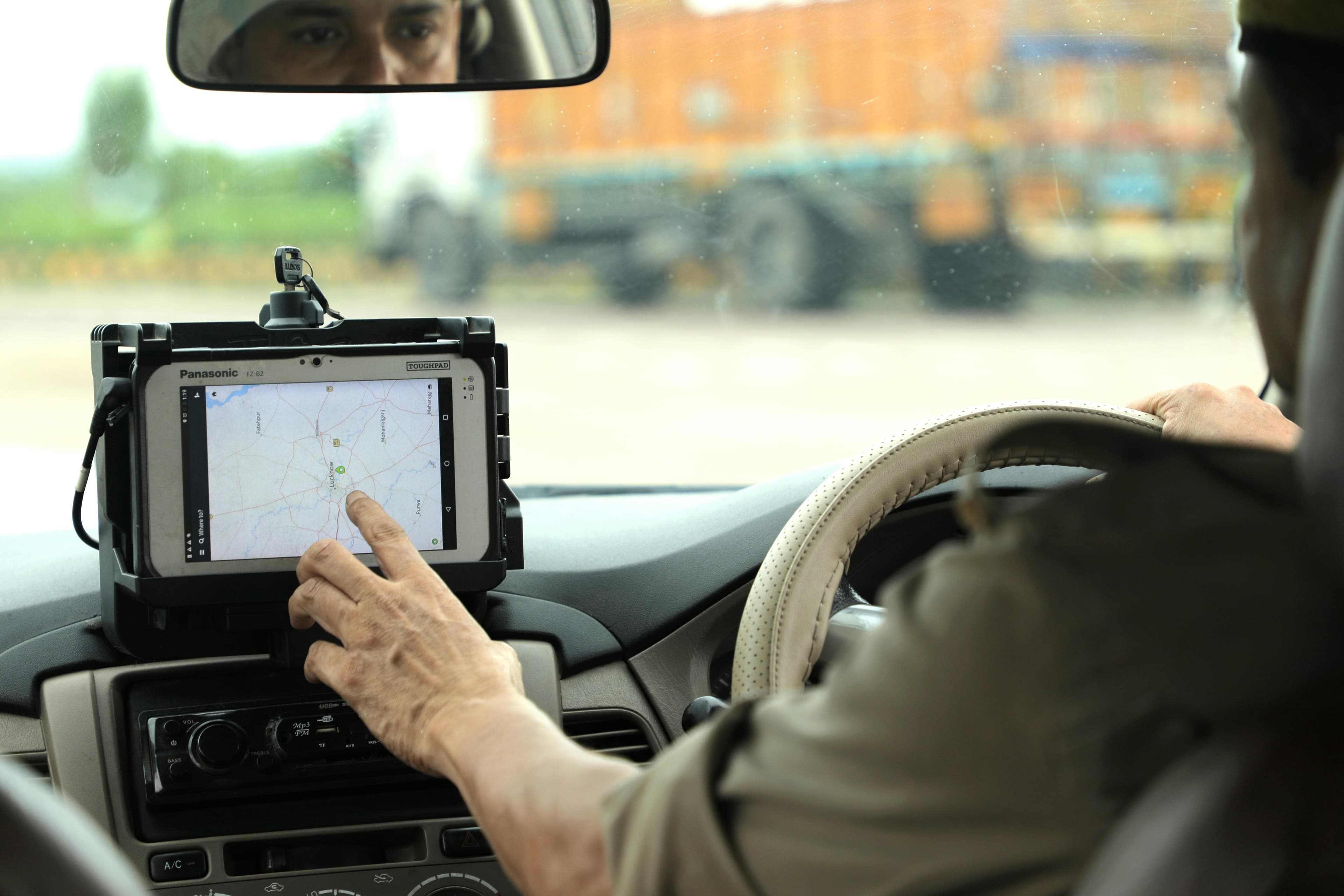
Perhaps the most significant addition for riders who frequent remote locations is the new offline mapping capability. Previously, losing cellular signal often meant losing navigation assistance. With the ability to download maps beforehand, users can now maintain their bearings regardless of network coverage. Furthermore, the inclusion of automatic updates ensures that users are always running the most current version of the software, reducing the need for manual troubleshooting.


Enhanced Security Features
Beyond navigation, Polaris has integrated new security features into the app. Owners can now utilize the platform to remotely lock their vehicles. While this does not replace physical security measures, it adds a layer of digital protection that provides peace of mind when the vehicle is left unattended at a trailhead or campsite.
With a database now boasting 1.3 million miles of mapped trails, Polaris is doubling down on its commitment to providing a comprehensive trail-riding resource. As noted by the original report, the next step for users will be testing these features in real-world conditions to see if the performance matches the manufacturer's promises.