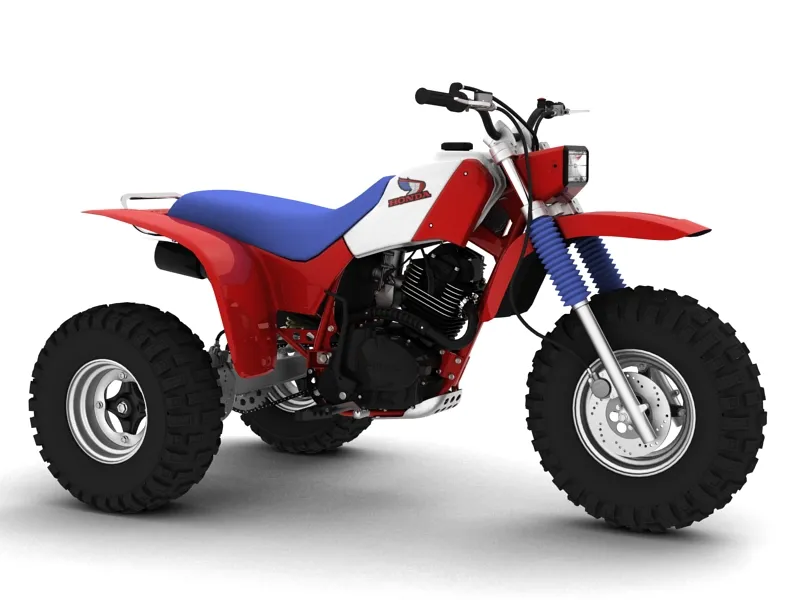
The iconic Honda ATC250R and other three-wheeled all-terrain cycles (ATCs) represent a significant era in off-road recreation. However, they also generated considerable controversy regarding safety. Many enthusiasts and potential buyers are still unsure about their legal status. Were three-wheelers actually banned? What are the current laws governing their use and sale?
The 1980s: Consent Decree, Not a Ban
According to Dirt Wheels Magazine, three-wheelers were not technically "banned" in the 1980s. Instead, in 1987, the Consumer Product Safety Commission (CPSC) reached a consent decree with major ATV manufacturers, including Honda, Yamaha, Kawasaki, and Suzuki. This agreement, while not a law passed by Congress, had a similar effect. The manufacturers agreed to:
- Cease the sale of new three-wheeled ATVs in the United States.
- Buy back unsold three-wheelers from dealerships.
- Shift their ATV production focus to four-wheeled models.
This consent decree went into effect on December 30, 1987, and was finalized in April 1988. It had a 10-year duration. However, since all major manufacturers had already transitioned to four-wheelers, three-wheelers never made a return to showrooms. Consequently, the last factory-produced ATCs were the 1986 and 1987 models.

CPSC Findings: Rider Error, Not Defect
It is important to note that the CPSC never declared three-wheeled ATVs inherently defective. Instead, their findings indicated a higher risk of rollovers compared to four-wheeled ATVs, particularly during low-speed turns or when operated on paved surfaces. The issue was not necessarily the design of the vehicles themselves, but rather how they were being used. Studies and court documents pointed to several contributing factors:
- High accident rates among young riders, with many under the age of 16 operating full-sized ATVs.
- Rider errors, such as placing a foot down during turns, riding with passengers, or attempting advanced maneuvers without proper training.
- Lack of helmets and other protective gear in many accident cases.
- Marketing practices by manufacturers that sometimes promoted youth usage without sufficient emphasis on safety and training.
In essence, three-wheelers demanded a higher level of skill to operate safely, but were often being used by inexperienced and untrained riders. The consent decree was more about mitigating injuries and legal liabilities than condemning inherent design flaws, according to Dirt Wheels.

The 2008 Consumer Product Safety Improvement Act (CPSIA)
The more definitive legal restriction came with the passage of the Consumer Product Safety Improvement Act of 2008 (CPSIA). This act made it unlawful to import or distribute new three-wheeled ATVs in the U.S. unless a formal CPSC safety standard is established. As no such standard has been created, the ban remains effectively permanent. This provision took effect on September 13, 2008.
The three-wheeler provision was included within a broader ATV safety package. Lawmakers aimed to address the overall issue of ATV-related accidents and ensure that three-wheelers could not re-enter the market unregulated. In addition to the three-wheeler restriction, the 2008 CPSIA included:
- Age-based labeling requirements for ATVs.
- Mandatory rider training programs.
- Manufacturer safety action plans.
Dirt Wheels reports that the three-wheeler rule was a preventive measure, integrated into the broader legislation.

Competition Use and Exemptions
The CPSC regulations primarily target consumer sales. Therefore, purpose-built, closed-course competition three-wheelers—such as those used in motocross and desert racing—are permitted. Custom builders and racers can produce and utilize these vehicles as long as they are not marketed as recreational ATVs for general public use.
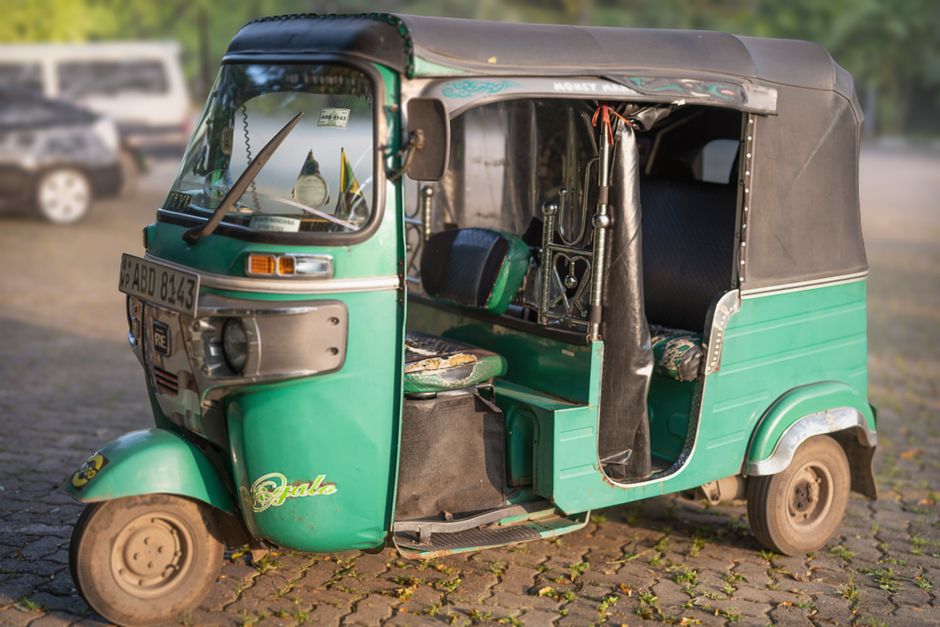
The RCR Electric Trike: A Modern Exception
The RCR Electric Trike represents a unique case. It is a full-sized three-wheeler, comparable in size to a Honda ATC110. However, because it is electric-powered, limited to a top speed of 20 mph, and features pedal assist, it qualifies as a Class 2 e-bike under U.S. regulations. This classification is crucial:
- It is not legally categorized as an ATV, thus exempting it from CPSC's ATV restrictions.
- It can be operated in areas where Class 2 e-bikes are permitted, such as bike paths, streets, and trails, subject to local regulations.
- Its speed and power limitations keep it outside the scope of off-road motor vehicle classifications.
This allows RCR to legally sell and distribute a three-wheeled vehicle today, even while traditional gas-powered or high-performance electric ATCs remain prohibited.
In Conclusion
- 1987–1988: Manufacturers entered a consent decree with the CPSC, ceasing production and sales of new three-wheelers.
- No official ruling ever declared them inherently unsafe; most accidents resulted from rider error, misuse by young riders, and inadequate training.
- 2008: The CPSIA made it illegal to import or distribute new three-wheelers without a CPSC safety standard.
- Today: Used three-wheelers are legal, racing-only builds are exempt, and the RCR Electric Trike bypasses ATV rules due to its Class 2 e-bike status.
While three-wheelers weren't explicitly "banned" in the '80s, the consent decree effectively ended their era. The 2008 legislation has ensured that they will not return to dealerships without federal safety standards in place, according to Dirt Wheels.