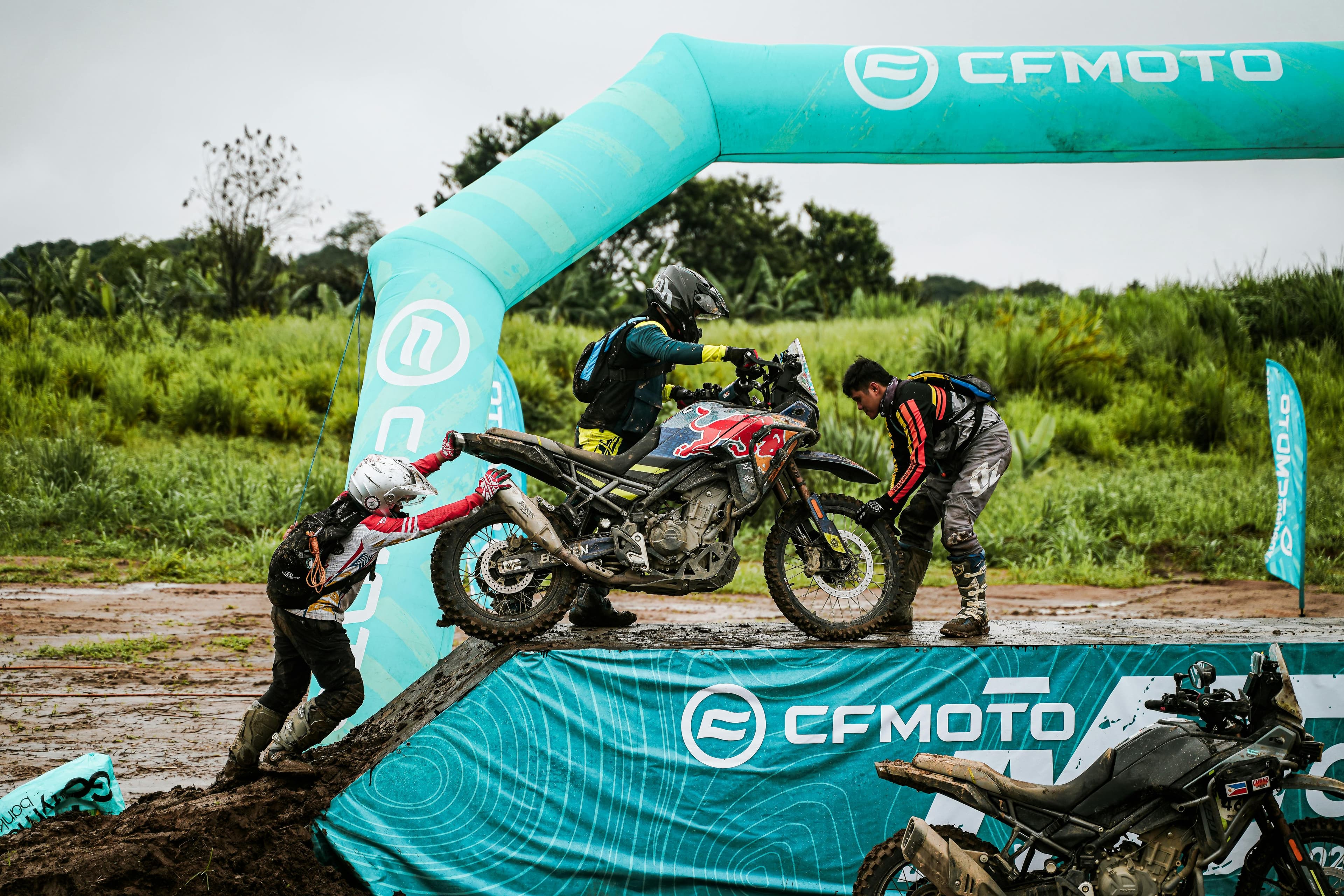
What Is “GOES” in the CFMoto lineup?
GOES is a CFMoto ATV family built for riders who want a machine that can do the normal stuff well: traction when the trail gets greasy, stability when the path gets rutted, and enough utility DNA to haul gear without turning into a tractor. In practice, the lineup is shaped around familiar ATV priorities: selectable drive modes, practical cargo capacity, and power that scales up depending on how heavy your work (or weekend) gets.
If you want to browse the current GOES selection and specs, start here: CFMoto GOES ATVs (official dealer page).
CFMoto GOES models overview
The GOES family is typically organized by engine class, so it’s easy to “size up” based on what you actually do with your quad: light property use and trail cruising, heavier towing and utility work, or big-bore power for more demanding terrain.
Mid-size GOES models (everyday trail + utility)
- GOES 400 class: A balanced, easy-to-live-with option for mixed riding. It’s usually the sweet spot for “I want an ATV that’s not intimidating, but also not underpowered.”
- GOES 500 class: A step up in torque and workload comfort. Better suited if you regularly carry gear, ride two-up, or deal with steep climbs and soft ground.
For the current GOES 400/500 variants available locally, check the lineup list on cfmoto.kyiv.ua.
Big-bore GOES models (more grunt, more stability)
- GOES 1000 class: Built for riders who want the “no excuses” end of the spectrum: more power on tap, more confidence with heavier loads, and more comfort at speed.
Availability and exact trims can vary by region, so the most reliable snapshot is the dealer catalog page: GOES ATVs.

Key features and ride highlights
Most GOES ATVs are built around a few fundamentals that matter more than marketing nouns:
- Selectable traction: 2WD/4WD style drive modes (and often a differential/lock option depending on model) are the difference between “keep rolling” and “start digging.”
- Utility-first layout: racks, usable tie-down space, and ergonomics that work when you’re wearing real riding gear.
- Approachable controls: the goal is simple operation you can trust on uneven ground, not a cockpit full of distractions.
Want the model-by-model breakdown for what’s currently listed? The GOES page is the cleanest reference: https://cfmoto.kyiv.ua/kvadrotsykly-goes/.
How to choose the right GOES ATV
If you’re deciding between sizes, don’t start with engine numbers. Start with your reality.
Choose a 400-class GOES if…
- You ride mostly solo and want a nimble ATV for trails, forest roads, and light property work.
- You value predictable handling and simpler ownership over maximum towing power.
Choose a 500-class GOES if…
- You regularly carry cargo, ride two-up, or live in hills where torque matters.
- You want more “reserve” power so the ATV feels less strained under load.
Choose a 1000-class GOES if…
- Your rides include deep mud, sand, or long distances where stability and power reduce fatigue.
- You’re asking the ATV to pull, haul, or climb like it owes you money.
To compare what’s currently available, use the lineup list on the official page: CFMoto GOES ATVs.
Ownership tips and setup ideas
A GOES ATV can feel “fine” out of the box, but a few setup choices usually make it feel right:
- Tires: Match tread to your terrain. Mud tires on dry hardpack can feel sketchy; trail tires in mud can feel helpless.
- Winch readiness: If you ride alone or work in wet areas, a winch is less an accessory and more a relationship with the future.
- Protection: Skid plates and handguards are cheap insurance if you ride rocky trails or wooded paths.
- Routine checks: Belt/drive behavior, fluids, and fasteners matter more on ATVs than most people admit.
Frequently Asked Questions (FAQ)
Is GOES a separate brand or part of CFMoto?
GOES is presented as a dedicated ATV family within the CFMoto ecosystem, built around practical utility and trail use. See the current GOES lineup and listings here: cfmoto.kyiv.ua/kvadrotsykly-goes.
Are GOES ATVs good for work tasks?
They’re designed with utility in mind: traction features, cargo capacity, and a layout that makes sense for hauling gear or doing property chores. The best fit depends on engine class and your workload.
What’s the biggest difference between the 400 and 500 classes?
It usually comes down to torque under load. If you frequently carry cargo, ride two-up, or deal with steeper terrain, a 500-class ATV tends to feel more relaxed and capable.
Do GOES models have 4x4?
Most GOES ATVs are built around selectable traction (2WD/4WD style systems, sometimes with lock features depending on trim). Confirm the exact configuration per model on the official listing page: Editorial persona based on aggregated expertise. UTV fleet manager perspective with 1000+ hours of seat time across work and recreation. CFMOTO's 2026 off-road lineup splits into three clear families: CFORCE ATVs for solo riders and long-distance touring, UFORCE UTVs for work and utility, and ZFORCE sport side-by-sides for recreational trail use. Updates across all three families — new Overland and Touring trims, PRO XL cargo variants, and refreshed ZFORCE 950 — tighten the model hierarchy and close the gap on Polaris and Can-Am benchmarks. By Ava ChenMore in Reviews
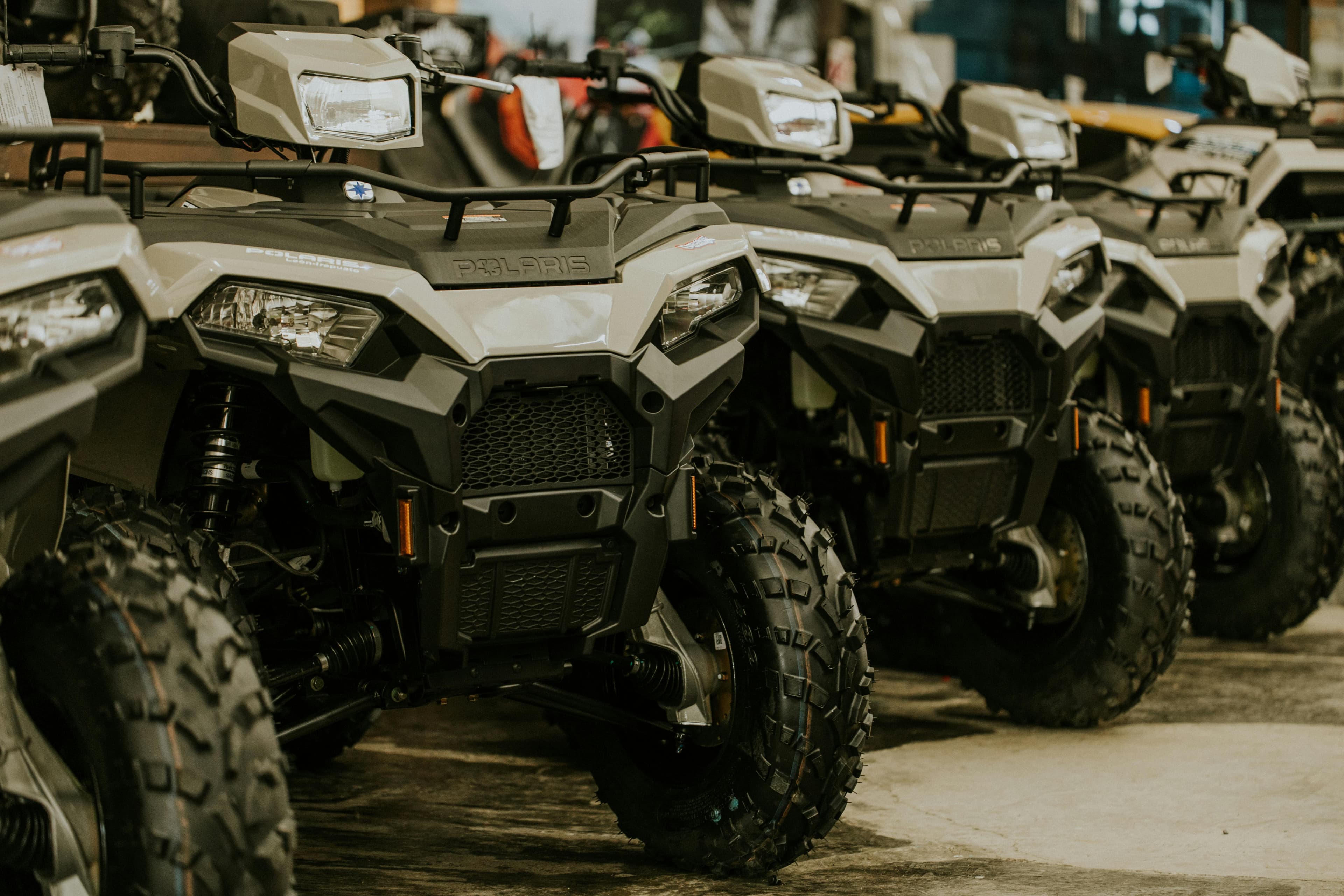
CFMOTO 2026 ATV & UTV Lineup: CFORCE, UFORCE, and ZFORCE for Work, Trails, and Long-Range Touring