Maintaining an off-road vehicle involves more than just keeping it looking clean; it is a fundamental aspect of ownership that directly impacts performance and longevity. According to RealTruck, staying on top of your vehicle's detailing and maintenance schedule is the best way to avoid costly repairs and ensure your machine is ready for the next adventure.
The Importance of Regular Detailing
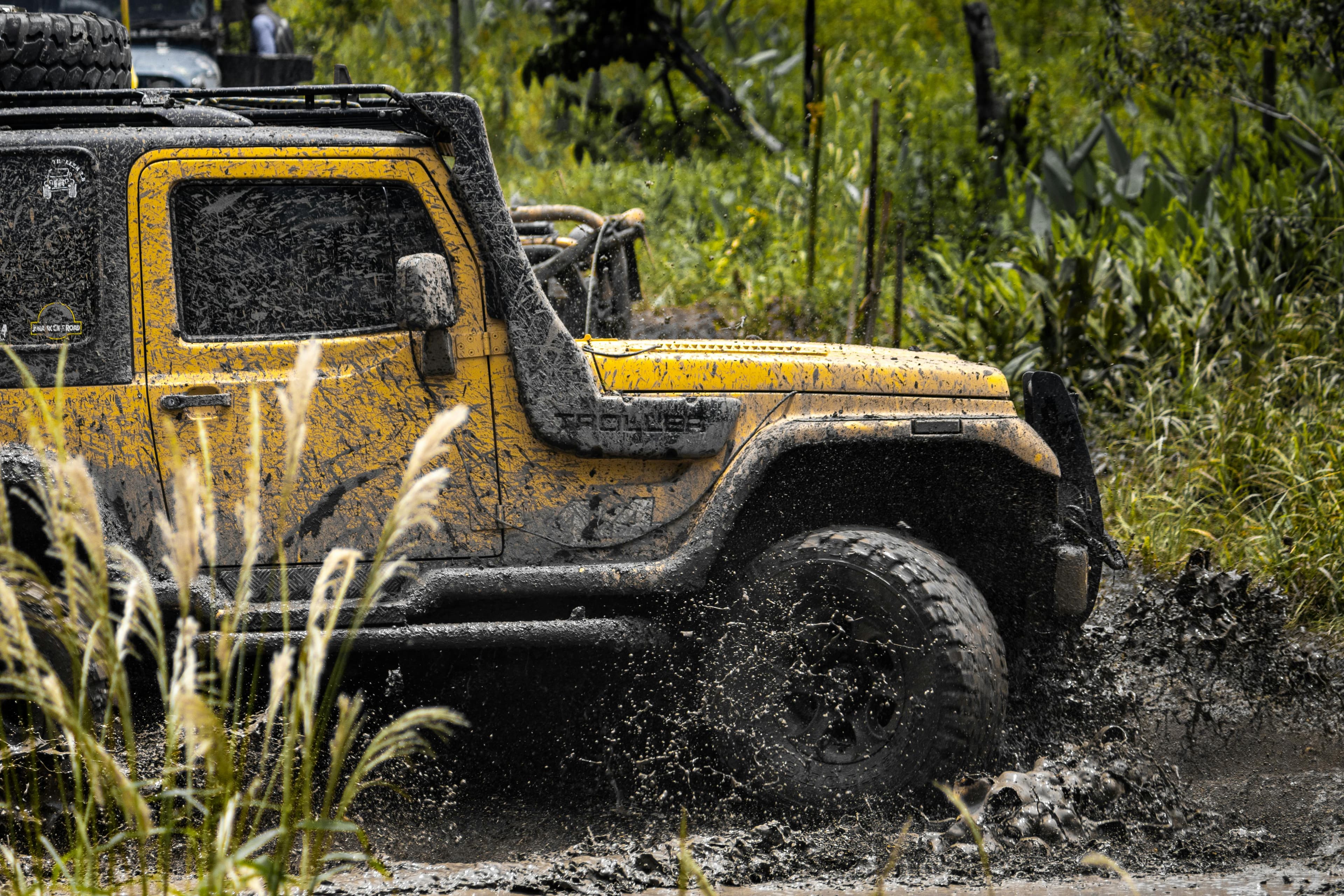
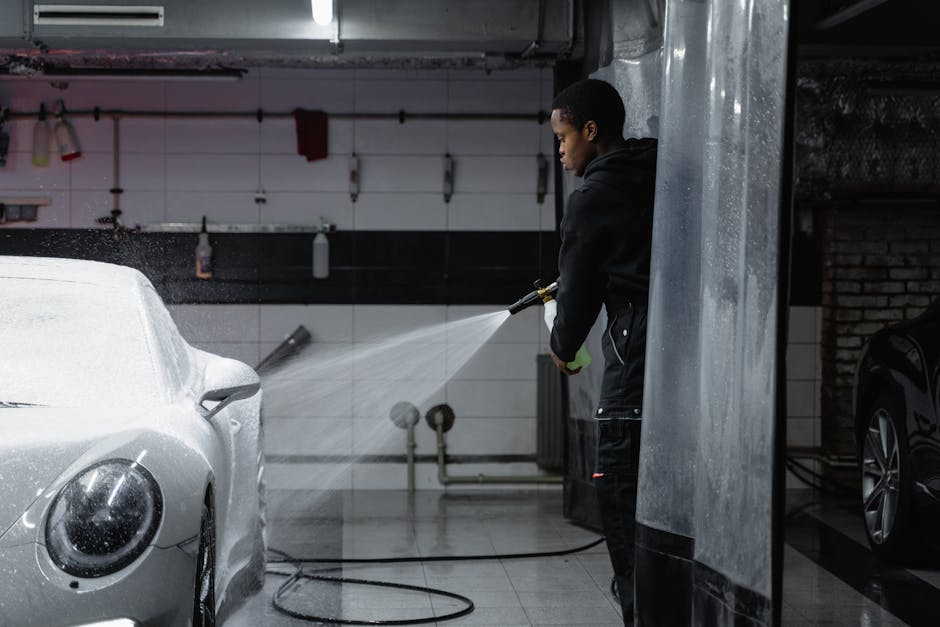
Off-road vehicles are built to handle harsh environments, but mud, dirt, and salt can be incredibly destructive if allowed to settle. Detailing is not merely about aesthetics. Removing debris from the undercarriage prevents rust and corrosion from compromising the structural integrity of your frame and suspension components. Furthermore, a clean engine bay makes it significantly easier to spot potential fluid leaks or loose hardware that could lead to a breakdown on the trail.
Developing a Maintenance Routine
Consistent maintenance is the backbone of off-road reliability. Whether you ride an ATV or a UTV, establishing a routine that aligns with your usage patterns is essential. RealTruck emphasizes that regular inspections allow owners to catch minor issues—such as worn bushings, frayed cables, or low fluid levels—before they evolve into significant mechanical failures. By keeping a log of your maintenance tasks, you ensure that no critical service interval is missed, keeping your vehicle running at factory specifications.
Protecting Your Investment
Beyond the immediate performance benefits, proper care significantly boosts the resale value of your vehicle. A well-maintained machine that has been regularly cleaned and serviced often commands a higher price in the secondary market. Buyers are generally willing to pay a premium for a vehicle that shows clear evidence of being cared for, rather than one that has been neglected after heavy trail use.

Best Practices for Off-Road Care
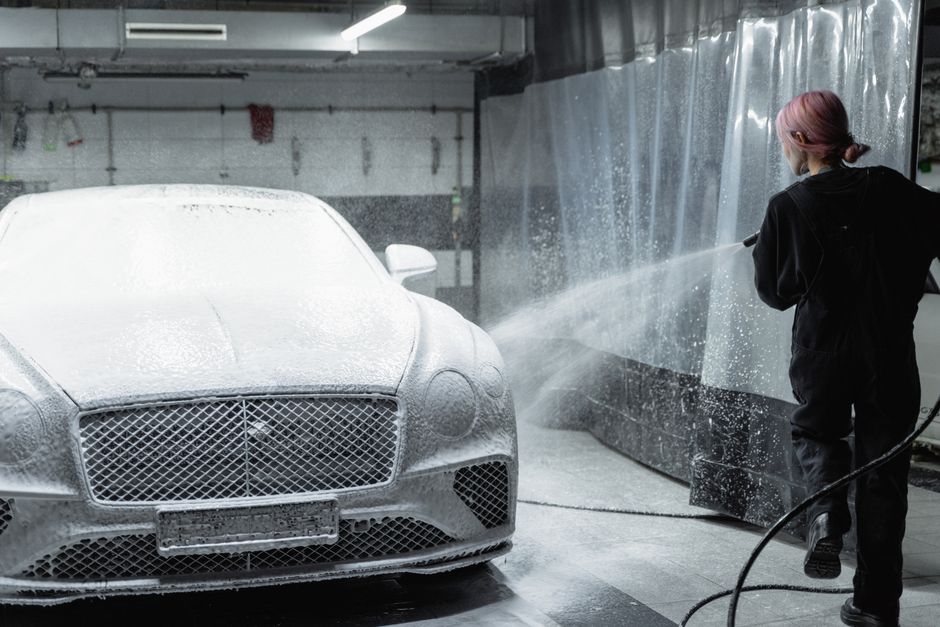
- Wash your vehicle thoroughly after every trip to remove corrosive mud and grit.
- Inspect all pivot points and suspension joints for excessive play or damage.
- Check fluid levels regularly, including engine oil, coolant, and brake fluid.
- Apply protective coatings to plastic and metal surfaces to prevent UV damage and oxidation.
- Store your vehicle in a dry, covered area when not in use to protect it from the elements.